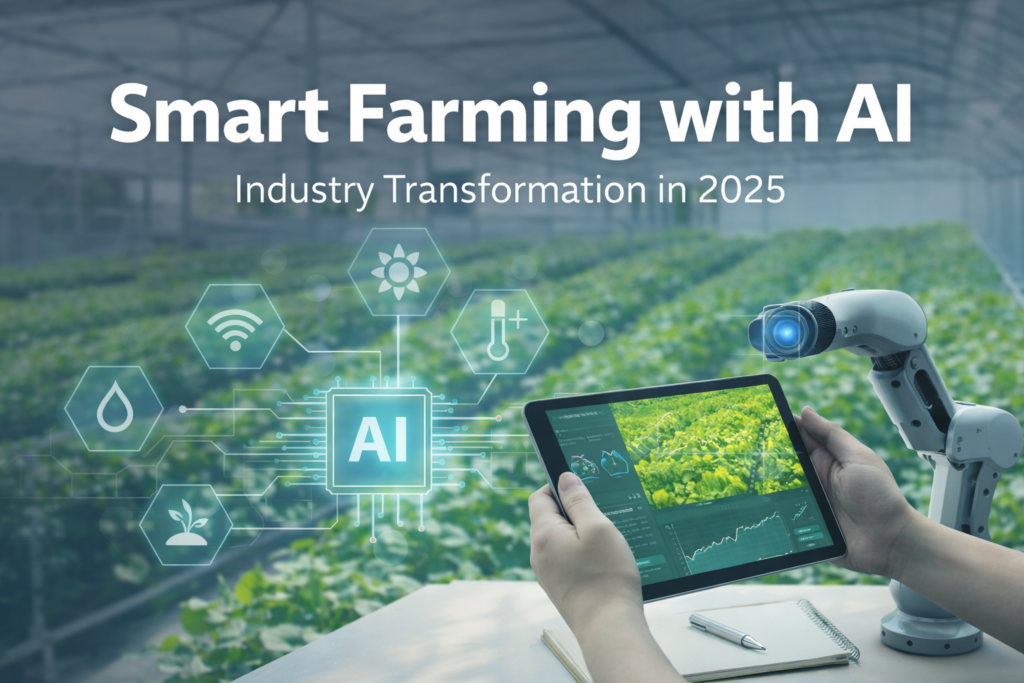
애그테크 스타트업 투자 동향은 2025년 농식품 산업의 미래와 투자 방향을 이해하는 중요한 지표가 되고 있다. 글로벌 애그테크 투자는 지금 ‘거품 이후의 구조 재편’ 단계에 있다. 숫자는 줄었지만, 살아남은 기업의 질은 오히려 높아지고 있다.
투자 시장의 현주소 — 냉각인가, 성숙인가?
2021년 코로나19 팬데믹이 식량 공급망을 흔들면서 애그테크 투자는 역대 최고치를 기록했다. 하지만 그 후 시장은 빠르게 냉각됐다. 2025년 현재, 글로벌 애그테크 벤처캐피탈 투자는 최저 수준에 가깝다. 그렇다면 이것은 위기인가, 기회인가?
정답은 ‘기회’에 가깝다. 투자 규모는 줄었지만, 투자의 질과 전략적 방향성은 오히려 선명해졌다. 옥석이 가려지는 시기, 즉 진짜 경쟁력을 가진 스타트업이 주목받는 구조로 시장이 재편되고 있다.
글로벌 투자 현황 — 숫자로 본 2025년
2025년 1분기, 글로벌 벤처캐피탈 시장은 OpenAI의 400억 달러 메가라운드에 힘입어 총 1,130억 달러 규모로 사상 최고치를 경신했다. 그러나 애그테크 분야는 이 흐름과 다소 엇갈렸다.
크런치베이스 데이터를 분석한 결과, 2025년 1분기 기준 162개 애그테크 스타트업이 총 18억 달러를 조달했다. 건수 기준으로는 전 분기 대비 14% 감소했지만, 평균 딜 사이즈는 1,100만 달러로 지난 2년간 평균(700~750만 달러)을 크게 웃돌았다. 대형 딜에 자금이 집중되는 ‘승자독식’ 구조가 뚜렷해진 것이다.
2분기에는 149개사가 총 15억 5,000만 달러를 조달하며 1분기 대비 16% 감소했다. 하지만 드론 기술과 AI 기반 플랫폼이 상위 투자를 이끌었고, 전략적 인수합병(M&A)도 계속됐다.
AgFunder 보고서에 따르면 2025년 글로벌 애그푸드테크 투자 총액은 162억 달러로, 전년 대비 3% 감소하며 사실상 보합 수준을 유지했다. 투자자들은 ‘성장 가능성’보다 ‘실질적 수익 모델’과 ‘명확한 시장 진입 전략’을 갖춘 기업에 선별 투자하는 경향이 강해졌다.
어디에 돈이 몰리는가? — 2025년 애그테크 스타트업 투자 동향
🧬 식물 바이오테크 (Plant Biotech)
PitchBook 분석에 따르면, 최근 12개월간 최대 투자 카테고리는 식물 바이오테크로 총 13억 달러, 145건의 딜이 이뤄졌다. 기후 변화에 강한 종자 개발, 유전자 편집 기술이 핵심 관심 분야다.
🚁 드론 & 이미지 분석 (Drones & Imagery Analytics)
7억 8,740만 달러, 55건의 투자가 이뤄진 분야로, 정밀농업과 데이터 기반 작황 분석 수요가 성장을 이끌고 있다. 국내에서도 방제 드론, 작물 모니터링 드론 스타트업들이 빠르게 부상 중이다.
🤖 로보틱스 & 스마트 농기계
6억 8,400만 달러, 71건의 투자가 집중됐다. 인력 부족 문제가 전 세계 농업의 공통 과제로 부상하면서, 자율주행 농기계·수확 로봇·온실 자동화 솔루션이 주요 투자처로 자리 잡고 있다.
🐄 동물 바이오테크 (Animal Biotech)
5억 8,810만 달러, 46건 — 대체 단백질, 정밀 발효, 동물 건강 관리 AI 분야가 투자자들의 관심을 받고 있다.
주목할 글로벌 스타트업 사례
Eion — 탄소 제거 기술로 빅테크 기업들과 3,300만 달러 규모의 탄소 제거 계약 체결. 농업과 ESG 투자를 연결하는 새로운 수익 모델을 제시했다.
Avalo — 코카콜라와 파트너십을 맺고 기후에 강한 사탕수수 품종 개발에 1,100만 달러 투자 유치. 식품 대기업이 애그테크 스타트업과 직접 협업하는 트렌드를 보여준다.
Quantum-Systems — 드론 기술 기반으로 농업과 방위 분야에 동시 적용되는 듀얼유즈 플랫폼으로 대규모 투자를 유치.
Farmers Business Network (FBN) — 미국·캐나다·호주의 2만 7,000여 농장주를 연결한 디지털 농업 플랫폼. 누적 투자금 8억 7,040만 달러, 기업가치 약 40억 달러(약 5조 원)에 달한다.
K-애그테크 — 글로벌 무대에서 두각을 나타내다
국내 애그테크 산업도 글로벌 시장에서 빠르게 인정받고 있다.
2025 CES에서 농식품 기술 분야 혁신상 11개 중 8개를 한국 기업이 수상했다. 대동(AI 가정용 재배기), 미드바르(에어로포닉스 스마트팜), 메타파머스(AI 농작업 자동화) 등이 세계 무대에서 기술력을 인정받았다.
국내 애그테크 시장은 2022년 약 6.5조 원에서 2027년 10조 원 이상으로 성장이 예상되며, 정부는 2029년까지 전국 스마트팜 온실 보급률 35% 달성을 목표로 하고 있다.
전남정보문화산업진흥원은 지역 애그테크 스타트업 3개사(터빈크루, 테바엑스, 코트그린)를 선발해 독일 하노버 AGRITECHNICA 2025에 참가, 글로벌 액셀러레이터 Brinc과 투자·공동개발 의향서(LOI)를 체결하는 성과를 거두기도 했다.
시장이 요구하는 것 — 2025년 투자자들의 기준
거품 이후의 애그테크 투자 시장은 한층 냉철해졌다. 현재 투자자들이 중점적으로 보는 기준은 다음과 같다.
① 실증된 비즈니스 모델 — 기술이 아니라 수익 창출 능력 중심으로 평가가 이동했다. 파일럿 단계를 넘어 실제 상용화 성과를 가진 기업이 선호된다.
② 니치 시장 특화 — 모든 것을 해결하려는 ‘만능 플랫폼’보다, 특정 작물·지역·문제에 집중하는 전문 솔루션이 투자자에게 매력적으로 평가된다.
③ 듀얼유즈 가능성 — 농업과 방위, 농업과 에너지 등 복수의 산업에 적용 가능한 기술은 투자 리스크 분산 측면에서 경쟁력이 높다.
④ ESG 연계성 — 탄소 감축, 재생 농업, 물 절약 기술 등 환경적 성과를 계량화할 수 있는 스타트업이 기관 투자자들의 관심을 끌고 있다.
지금이 진입 적기인 이유
2025년 애그테크 투자 시장은 역설적으로 기회의 시장이다. 거품이 걷히고, 실력 있는 기업들만 남은 지금은 오히려 질 좋은 기업에 합리적인 밸류에이션으로 접근할 수 있는 타이밍이다.
딜로이트와 환경보호기금(EDF)의 공동 연구에 따르면, 정밀 농업 기술 솔루션이 2020~2050년 사이 온실가스 배출량을 약 9.8기가톤 감축할 수 있다고 전망된다. 기후 대응 수요와 식량 안보 문제는 애그테크의 구조적 성장 동력이 될 것이다.
한국은 ICT 인프라, 정부 R&D 지원, 스마트팜 데이터 플랫폼이라는 강점을 갖추고 있다. 글로벌 벤처캐피탈이 K-애그테크에 주목하는 이유가 여기에 있다. 지금은 관망이 아니라 전략적 포지셔닝이 필요한 시점이다.
함께 읽으면 좋은 글
• 2025 농식품 산업 AI 전환 현황 — 스마트팜에서 피지컬 AI까지
• 글로벌 리포트 — 해외 농식품 시장 분석 2025-2026
📚 참고자료
- CropLife / Global AgTech Initiative (2025.04) — Q1 2025 AgTech Venture Capital Investment and Exit Round Up
- CropLife (2025.07) — Q2 2025 AgTech Venture Capital Investment and Exit Round Up
- PitchBook (2025.04) — Q1 2025 Agtech VC Trends
- AgFunder — Global Agrifoodtech Funding Report 2025
- Global Venturing (2025.10) — Agtech sector begins to emerge from “destructive cycle”
- 소비자평가 (2025.05.12) — CES가 주목한 한국 농업 스타트업, K-애그테크의 현재
- 네이트 뉴스 (2025.11.18) — 전남 애그테크 스타트업, AGRITECHNICA 2025 해외 투자성과
- KB경영연구소 (2025.05) — 애그테크 향후 전망 및 시사점
- 딜로이트·EDF 공동 연구 — 정밀 농업의 온실가스 감축 잠재력 (KB경영연구소 재인용)
AgTech Startup Investment Trends 2025 — Beyond the Correction, Into the Reset
Global AgTech investment is in a structural reset after years of hype. The numbers are smaller — but the quality of what remains is sharply higher.
Where Does the Market Stand? Cooling or Maturing?
In 2021, pandemic-driven disruptions to global food supply chains sent AgTech investment soaring to record highs. Since then, the market has pulled back significantly. By 2025, venture capital flowing into agricultural technology is near a decade low — but that headline obscures a more nuanced story.
This isn’t a collapse. It’s a recalibration. Investors are more selective, valuations are more grounded, and the companies attracting capital are increasingly those with real revenue models and proven field results. The hype is gone. What’s left is the substance.
The Numbers: Global AgTech Investment in 2025
The broader venture capital market hit a multi-year high in Q1 2025, with total global VC reaching $113 billion — largely driven by OpenAI’s $40 billion mega-round. AgTech’s slice of that was considerably smaller.
According to Crunchbase data analyzed by the Global AgTech Initiative, 162 AgTech startups raised $1.8 billion in Q1 2025 — a 14% decline in deal count from the prior quarter, but a meaningful jump in average deal size to $11 million, well above the $7–7.5 million range of the past two years. Capital concentration is intensifying: the top 10 deals accounted for 50% of all AgTech dollars raised.
Q2 2025 saw a further dip, with 149 companies raising $1.55 billion — down 16% in funding and 20% in deal count. Yet drone technology and AI-powered platforms dominated the top rounds, and strategic M&A continued, including acquisitions by John Deere and Syngenta.
Zooming out, AgFunder’s full-year 2025 report pegs global agrifoodtech funding at $16.2 billion — nearly flat versus the prior year, with a notable shift toward companies with tangible science, strong unit economics, and clear paths to revenue.
Where the Money Is Going — Key Investment Categories
🧬 Plant Biotech
The single largest AgTech investment category over the past 12 months, with $1.3 billion across 145 deals (PitchBook). Climate-resilient crop development and gene-editing technologies are at the center of this wave.
🚁 Drones & Imagery Analytics
$787 million across 55 deals — precision agriculture and data-driven crop monitoring are driving sustained investor interest in aerial intelligence platforms.
🤖 Robotics & Smart Field Equipment
$684 million across 71 deals — as labor shortages hit agriculture globally, autonomous machinery, harvesting robots, and greenhouse automation solutions are attracting serious capital.
🐄 Animal Biotech
$588 million across 46 deals — alternative proteins, precision fermentation, and animal health AI are drawing growing interest from both strategic and financial investors.
Startups Making Headlines
Eion secured a $33 million carbon-removal agreement with major tech buyers, creating a compelling new revenue model that links agricultural carbon capture to corporate ESG commitments.
Avalo raised $11 million and partnered with Coca-Cola to develop climate-resilient sugarcane varieties — a clear signal that food industry giants are turning to AgTech startups as strategic R&D partners.
Quantum-Systems attracted large-scale investment by building drone platforms with dual-use applications across agriculture and defense — a growing trend where cross-sector applicability reduces investor risk.
Farmers Business Network (FBN), connecting over 27,000 farms across the US, Canada, and Australia, has accumulated over $870 million in total funding with a valuation reaching approximately $4 billion — a benchmark for what scaled digital agriculture platforms can achieve.
K-AgTech: Korea’s Startups Go Global
South Korea’s AgTech ecosystem is gaining international recognition at a rapid pace.
At CES 2025, Korean companies swept 8 out of 11 innovation awards in the agri-food technology category. Daedong’s AI home growing system, Midbar’s aeroponic smart farm module, and MetaFarmers’ robot-powered farm automation all made waves on the global stage.
The domestic AgTech market is expected to grow from roughly $4.9 billion in 2022 to over $7.5 billion by 2027, with the government targeting 35% smart greenhouse penetration nationwide by 2029.
Three Jeonnam-based startups — Turbine Crew, Teva X, and Cotgreen — participated in AGRITECHNICA 2025 in Hannover, Germany, securing Letters of Intent for investment and joint development with global accelerator Brinc, and generating over 20 follow-up business meetings with European investors.
What Investors Are Looking For in 2025
The post-hype AgTech market demands more from founders than ever before. Here’s what’s moving the needle with investors today:
① Proven business models over vision decks. The era of funding “technology looking for a problem” is over. Investors want revenue traction, clear customer segments, and realistic unit economics.
② Niche depth over broad platforms. Rather than building universal solutions, startups that solve one specific problem — for one specific crop, geography, or workflow — are proving more fundable and more defensible.
③ Dual-use technology applicability. Startups whose technologies translate to defense, clean energy, or logistics can diversify investor risk — and are attracting attention from corporate VCs looking for cross-sector leverage.
④ Quantifiable ESG impact. Carbon reduction, water efficiency, and regenerative farming metrics are increasingly non-negotiable for institutional investors with sustainability mandates.
Why Now Is a Strategic Entry Point
Counterintuitively, 2025 may be one of the better years to invest in AgTech. With valuations reset from peak levels and weaker business models having exited the market, what remains are companies with strong fundamentals — and room to grow.
According to joint research by Deloitte and the Environmental Defense Fund, precision agriculture technologies could cut global greenhouse gas emissions by 9.8 gigatons between 2020 and 2050. That’s not a marginal benefit — it’s a structural imperative that underpins long-term demand for agricultural innovation.
South Korea enters this environment with real advantages: world-class ICT infrastructure, active government R&D support, and an open smart farming data platform that is already enabling commercial AI services. For investors and industry stakeholders, the strategic question isn’t whether to engage with AgTech — it’s how to position before the next cycle of growth begins.
The correction is nearing its end. The creative cycle is beginning.
📚 References
- CropLife / Global AgTech Initiative (April 2025) — Q1 2025 AgTech Venture Capital Investment and Exit Round Up https://www.croplife.com/precision-tech/q1-2025-agtech-venture-capital-investment-and-exit-round-up/
- CropLife (July 2025) — Q2 2025 AgTech Venture Capital Investment and Exit Round Up https://www.croplife.com/smart-tech/q2-2025-agtech-venture-capital-investment-and-exit-round-up/
- PitchBook (April 2025) — Q1 2025 Agtech VC Trends https://pitchbook.com/news/reports/q1-2025-agtech-vc-trends
- AgFunder — Global Agrifoodtech Funding Report 2025 https://agfunder.com/research/
- Global Venturing (October 2025) — Agtech sector begins to emerge from “destructive cycle” https://globalventuring.com/corporate/europe/agtech-analysis-2025-cvcs/
- iConsumer (May 12, 2025) — K-AgTech in the Spotlight: Korean Startups at CES 2025 http://www.iconsumer.or.kr/news/articleView.html?idxno=27730
- Nate News (November 2025) — Jeonnam AgTech Startups Secure Investment Outcomes at AGRITECHNICA 2025 https://news.nate.com/view/20251118n31752
- KB Management Research Institute (May 2025) — AgTech Outlook and Strategic Implications https://kbthink.com/main/economy/economic-in-depth-analysis/economic-knowledge-vitamin/2025/economic-knowledge-vitamin-5-250331.html
- Deloitte & Environmental Defense Fund — Greenhouse Gas Reduction Potential of Precision Agriculture Technologies (cited via KB Research)